


 Are you living a healthy lifestyle?
Think so! But what does that really take and look like?
Living a healthy life means being active on a regular basis, eating nutritious foods to fuel your body and having a work-life balance.
And understanding the connection between physical and mental health is critical. This relationship underpins overall well-being and quality of life.
Next, take the step, assess your healthy lifestyle.
6 Questions to ask Yourself to be a Healthier You.
- Are you eating well balanced meals? This is about meeting dietary requirements, daily intake, from the recommended essential food groups. Good nutrition fuels your body, builds energy levels to boost productivity and better concentration. If you are consuming lots of processed foods most likely you will feel more tired than usual.
- Check how well do you eat from the 5 Food groups. Click, https://www.healthywa.wa.gov.au/Articles/J_M/Maintaining-a-healthy-lifestyle/Healthy-Eating
- How much water do you drink daily? It's essential to consume sufficient amounts throughout the day to hydrate bodily function. Water is part of a balanced diet, winter or summer we need to replenish our levels. Check your intake regularly to maintain hydration levels and ideally, avoid high sugary drinks.
- Check your recommended requirements, click, https://www.healthdirect.gov.au/drinking-water-and-your-health
- How often do you engage in moderate exercise? How many hours do you sit each day? At a desk, in the car on the couch! Compare that to active movement, steps and walking. Undertaking regular physical activity is vital to maintain a healthy mind and body weight and in preventing chronic diseases.
- Check, to calculate your activity needs, click, https://www.healthywa.wa.gov.au/Articles/J_M/Maintaining-a-healthy-lifestyle/Active-Living
- How balanced is your work-life balance? We know being stretched, pulled and torn between work and personal life demands can cause problems including stress-related issues. Managing both by adopting stress management practices can greatly improve your quality of life. Taking care of yourself such as scheduling time out, time with family, pets, taking up a hobby, reading and relaxation techniques are proven de-stressors.
- Check Stress, key facts, indicators, resources & supports. Click, https://www.healthdirect.gov.au/stress
- Need help managing your Business affairs Blackburn Accounting offers a range of related services. Let us take care of business matters to ease your workload and pressures.
- How many hours of relaxed sleep do you usually have? adequate sleep is needed to rest the body and brain. Sleeping well keeps everything in tune and allows your ‘body and brain batteries’ to recharge. Insufficient sleep and chronic sleep deprivation comes with a list of adverse effects.
- Check Sleep, Facts, needs and related information, click, https://www.healthdirect.gov.au/sleep
- Do you have opportunities to connect with others? Humans are social beings that need meaningful contact with others. To be a part of and feel included. Reach out! Chat with a neighbor, volunteer, join a committee or book club. Researchers have found social isolation and associated loneliness can affect our ability to think, our self-worth and immune systems. Social connection can be a powerful therapy.
- Check feeling lonely or isolated, there are ways to help overcome this, click,
https://www.healthdirect.gov.au/loneliness-isolation-mental-health
How did you go with your assessment?
Did you find any areas for change or improvement?
Do you want to be a healthier you, live a Healthy lifestyle?
For more information go to; https://www.healthdirect.gov.au/healthy-lifestyle
Speak with your Health professional if you have related questions or concerns about any health issues.
Read more...
Let’s embrace 2025 with a warm welcoming,
‘Hello New Year, Hello to New Beginnings’!
It’s a powerful phrase, creating images, ideas, and thoughts offering ways to create a better, brighter future. And who doesn’t want that!
Do you believe in the power of making a fresh start?
If you answered yes, most likely you are already planning, expressing hopes and promises to make changes for a better you and a better coming year.
But if you are still pondering consider this Guide,
Starting Afresh 6 Steps to achieve the outcomes you desire.
- Letting go of the past, looking back with no ‘what ifs’ or regrets..
- Positive Reflection, learning from previous experiences. What worked, what didn’t. Know your strengths and weaknesses, consider areas for improvement.
- Be open to change. Embrace, be willing to challenge your beliefs and perspectives, see new opportunities; consider other’s viewpoints, ask questions,
- Embracing development and growth. Adopt a growth mindset and belief you can grow through effort and continuous learning. Learn from mistakes; take on new challenges.
- Embarking on a new journey. Set goals that challenge you and provide a sense of purpose and direction. Step outside your comfort zone and embrace new experiences.
- Going forward, add a positive mindset and you are on your way to starting afresh!
Shout it out, ‘hello New Year, Hello New Beginnings’.
Quotes to inspire us: ‘The beginning is the most important part of the work’ – Plato
‘The magic in new beginnings is truly the most powerful of them all’ - Josiyah Martin.
Simply said,
- embracing new beginnings gives us the opportunity to draw a line that mentally separates the past from the future.
- By stepping back, reflecting and taking a broader view allows us to picture the ‘new’ that lies ahead.
- It's exploring new opportunities, new visions and versions of ourselves, both personal and Business aspirations and goals.

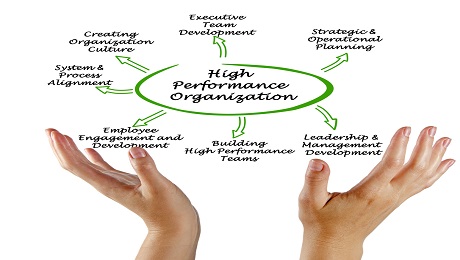
In today’s competitive business landscape, a High-Performance Culture is the cornerstone to success.
The journey begins with understanding the importance of High-Performance Culture. What defines it, what are the Benefits, and how to build and implement it to achieve success in your Business?
In simple terms, a Business High-Performance Culture is a set of beliefs, values and behaviours that enable a Business to achieve excellent results and high levels of growth. Both Management and Staff are committed to the principles.
Key Elements of a High-Performance Culture:
- Clear goals and expectations established
- Effective two-way communication
- Continuous development and learning
- Recognition & Rewards
- Better overall performance
Why High-Performance Culture Drives Business Success:
- Employees are more engaged, satisfied, motivated and empowered
- Productivity and efficiency are increased
- The environment fosters creativity and innovation and skills development
- Attracts top talent
- Retention rates improved
- Stronger Business agility
As the cornerstone to Success, a High-Performance Culture encourages independence, teamwork, continuous learning and problem-solving, encouraging staff to take ownership in the performance of their roles. Management must lead by example selling a new strategic vision.
Best Practice for Creating and Implementing a High-Performance Culture:
Read more... If hospitality is the name of your game, most likely you are revving up for the festive holiday season, as locals, visitors and tourists embrace warmer weather, longer days and all that has to offer.
Tis the time of good cheer, good food and good company, with celebrations enjoyed from early breakfast, brunch, lunch and fine dining and more. Of course, accommodation, somewhere to stay comes into this festive holiday equation, along with providing tourism experiences throughout our vast state.
If you are part of this busy vibrant Hospitality Industry, be it cafe, restaurant, bar, pub or resort, you will be caught up in delivering quality products and services to your customers and clients. Demanding, sometimes challenging, requiring time, effort and the necessary skills best describe the situation.
Behind the scenes there are still the everyday activities of running a successful Business. Balancing the books, paperwork, reporting, and keeping the cash flowing. Not to forget managing staffing matters and meeting customer expectations. It’s a testing time!
Whatever your Business, this is where Blackburn Accounting can help take off the pressure to let you do what you do best. We are your family Business Specialists supporting small to medium Business by offering an individualised service. We can help you keep on top of your cashflow, assist in strategic planning and develop your Business capacity for growth and expansion. Take a well-earned break, let us manage the books, taxes and reporting and the behind-the-scenes of running a successful Business.

Read more...
It's a reminder the ATO has a number of areas and Taxpayers in its focus this year!
Included in their sights using a new data-matching protocol and cross checking system are;
- work related expenses,
- rental investment property deductions,
- private use of Business assets,
- cyptocurrency activities,
- ‘side gig’, second incomes gained, such as ‘influencers’.
Importantly don’t blur your deductions when making your claims!
Follow these 5 simple Steps to get the best, clearest and correct picture:
- Keep accurate records, logbooks and diaries
- Claim only work-related expenses, don’t mix private and company
- Adopt the revised fixed rate of 67cents per hour working from home
- Know and understand your obligations
- Contact Blackburn Accounting if you have questions or need professional advice

The probing questions raised by many!
the following offers answers and explanations.
For some, the recent inflationary pressures came as a surprise, an unknown phenomenon while for others, those who experienced high inflation in the early 70’s to late 90’s, it was a return nightmare. Like me you may recall those challenging times and bad dreams.
- So, what is Inflation!
‘Inflation is an increase in the level of prices of the goods and services that households buy. It is measured as the rate of change of those prices. Typically, prices rise over a given time.’ This includes commodities such as food grains, fuel, transport and utilities like electricity. And not to forget services for healthcare, entertainment, and labor.
It will be experienced and viewed differently, positively or negatively, depending on your circumstances, and rate of change.
The Consumer Price Index (CPI) is the indicator used to measure the percentage change in the price of a basket of goods and services consumed by households.
Simply said, the economic cycle and the interest rate cycle are intertwined and in theory, interest rate changes should follow the economic cycle. For example, The Reserve Bank raise interest rates to slow down the economy and avoid inflation when the economy is growing rapidly, and inflationary pressures are increasing. The situation we are currently experiencing.
- What does it mean to Households, Consumers, Businesses
Cost-of-living pressures, rising prices of everyday goods and services, and declining purchasing power of the dollar are putting a strain on average households, stretching their budgets. As monetary policy responses kick-in, home buyers, mortgagees face increased interest rates and repayment, while renters have higher costs as housing investors pass on their borrowing expenses. Housing costs are at a new high for a number of reasons, including limited stock (demand and supply tensions).
- Is inflation something new? No!
Australia’s inflation history since the introduction of the CPI can be broken down into four main phases: (i) The initial post-war recovery and the ‘Korean War boom’; (ii) the disinflationary period from 1953 to 1972; (iii) high inflation from 1973 to 1990; and (iv) the period since the introduction of inflation targeting by the RBA.
- Snapshot: the Inflation Rate in Australia averaged 4.89 percent from 1951 until 2023, reaching an all time high of 23.90 percent in the fourth quarter of 1951 and a record low of -1.30 percent in the second quarter of 1962.
- What does it look like!
 Most importantly How is this Relationship affecting you!
Inflation, Wages and Productivity, it’s a push-pull relationship!
Inflation has surged, prices are rising faster than wages and the measures to counter inflation is hurting many, including Morgagees and Small Business owners.
Households sinking under the pressure of inflationary cost of living expenses are looking for answers and solutions. What to do, who to turn to!
Small Businesses too are seeking answers on how to survive and thrive during this period. They are under pressure on many fronts, including;
- With increased cost of goods and supplies how to maintain a profit margin
- Staffing, Wage-price dynamics - responding to demands
Inflation affects every area of Small Business, your Business, from the rising price of goods and services to how much your overheads cost, such as rent., to how much customers will pay for your products.
But, don’t be disheartened, there are answers, ways to meeting these inflationary challenges. Create your healthier relationship with the following!
4 Ways to Survive and Thrive during inflation:
- Get your pricing right: Be fair when setting your prices. Customers don’t want to be ripped off. Pricing should reflect the value and quality of products. Adapt your prices as needed to reflect the changed economic conditions. Avoid over or under-pricing. You need to maintain a reasonable profit margin to survive.
- Reward your Employees: Reward your staff with fair wages and incentives. Be creative. Staff will show appreciation with their contribution and extra effort. Encourage upskilling as growth opportunities if ‘monetary’ bonuses aren't an option.
- Keep on top of your cashflow: Cashflow is the lifeline of your Business. It’s critical to stay on top of what’s going out and coming in. Adopt processes and systems to issue invoices quickly and offer automated payment options. Closely monitor and manage your debtors ledger to get timely payments.
- Rework your Business Strategy: With changed circumstances now is the time to review, rethink and rework your Business Strategy. Be creative, look at what has changed and what opportunities it brings. Be progressive, consider what technological improvements may be possible and rethink, and look at new ways of doing Business. Going forward, adapt your Business model to the current economic environment.
What created this situation!
The high inflation we are experiencing is the fallout of the COVID pandemic and Ukraine conflict. These events interrupted supply in the global economy pushing up prices and costs. Along with this the fiscal and monetary policy responses to the pandemic underpinned a strong recovery in demand that also pushed up prices. In essence the ‘push pull’ of supply and demand!
How do we bring inflation down?
Read more... Influence, to influence or be influenced, has been around since time immemorial! Politics, shopping habits, peer groups and more, we have all influenced, or been influenced in some way, shape or form.
The difference in today’s society is the advent and popularity of social media platforms, where dedicated Influencers hone their craft of swaying and shaping others’ opinions and decision-making.
Typically, these Influencers have the power to persuade, affect attitudes, beliefs and behaviours due to their perceived expertise, knowledge and authority.
They reach new audiences, attract and gain followers, and, with engaging content and messaging, build trust. They can and do drive trends, amplify products, impact decisions, and inspire action. Then, often in collaboration with leading brand names, promote products and services. Bonanza, everyone’s a winner!
Types of Influencers and their followers range in size from Mega/celebrity, Macro, Micro, and Nano! All bases are covered using key platforms such as TikTok, Instagram, and YouTube!
Key features of an Influencer include:
-
Niche expertise: focus on specific areas such as fashion, beauty, fitness, etc.
-
High engagement: they cultivate an active community of followers, relying on their ‘identity’ and authenticity, rather than mainstream pre-existing recognition.
 What inspires you?
Do you have your own 'mantra', thoughts that guide and influence you, keeping you calm, collected, providing a compass for your life and Business aspirations.
Do you resonate with the words of these famous figures?
-
'You cannot do kindness too soon, for you never know how soon it will be too late.' Ralph Waldo Emerson, essayist, lecturer, minister, abolitionist, philosopher, poet
-
'We must believe that we are gifted for something, and that this thing, at whatever cost, must be attained.’ Marie Curie, French physicist & chemist.
-
‘To lead people, walk beside them. As for the best leaders, the people do not notice their existence...When the best leader’s work is done, the people say, ‘We did it ourselves!’ Lao Tsu, Chinese philosopher.
-
'Life’s most persistent and urgent question is, ‘What are you doing for others?' Martin Luther King, Jr.
A question often raised. Is there an answer!
In the current inflationary trading environment small Businesses and not so small are looking for answers, ‘fixes’, ways to get an edge and keep the cash flowing. Reinvention, revival, survival!
Sound familiar? What does it take!
A Winning Formulae!
Start by going back to sound Business basics, learning from mistakes, turning disappointment into opportunity, and keeping your belief and passion. No simple answer but consider the following gained from experience and research.
10 Tips and Snippets, check if you tick the list.
- Build Trust: Who wouldn’t like to be ranked highly on the ‘most trusted brand’ list. According to a recent report Bunnings scored top with its pillars of trusted brand, including, great customer service, solving customer problems, being an active part of the community, communicating what it stands for and product knowledge.
- Understand your market and develop a solid, sound Business Plan. Find your niche, know ‘the what’, why and how you will deliver your product to achieve the results you are wanting to achieve.
- Invest in yourself. To stay ‘current’ be prepared to further your knowledge, with formal education and learning new things to grow as a person, be informed and help stay ahead of your competitors. You are never too old or young to learn or keep learning!
- Taxpayers are encouraged to have all their ‘paperwork’ before lodging their returns. This helps avoid delays with missing information, for example, where there are multiple sources of income.
- reminder that the income tax cuts, which started on 1 July 2024, don't apply to the 2023-24 tax return
- the importance of keeping accurate records and having records to substantiate any claims
- that there is updated web content for the Small business energy incentive including eligibility requirements and how to claim
-
for an employer with a mixture of both closely held payees and arms-length employees, the due date for end-of-year STP finalisation for closely held payees is 30 September each year. All other employees are due 14 July each year.
If you have 20 or more employees the final date to finalise is 14 July
- that super guarantee contributions need to be paid in full, to the right fund, by 28 July
- June 2024 income tax installments are due on 28 July
There’s more and the ATO website provides regular updates.
Tax matters can be complex and understanding what’s within the tax laws can be confusing. If that’s you, you are not alone.
If you need help, contact Blackburn Accounting. We are here ready to make Tax Time less stressful and minimise your tax contributions within the ‘rules’.
Read more... Good Governance – Why Every Business Needs It. You may recall we explored this topic in November last year.
And here we are in 2026, in the headlines, stories of governance, regrettably, tales of poor governance. Examples highlighted failures in systems, bad conduct, and downright dishonesty by some corporate players.
But poor governance can and does happen in organisations, big and small and in all spheres of business sectors, private, public and non-profit. Indiscretions are not isolated incidents, whether by deceit, default or ignorance.
-
Examples. In the high-flying gambling entertainment industry, it was reported that a key leader failed to report suspicious conduct to the Board. Corporate governance failures emerged as the problem, with vigilance lacking.
-
The headlines. In the current investigation of an established accounting firm, it is reported to have ‘bad practice and poor oversight’ when dealing with a whistleblower’s concern. This suggests that some officials failed in their duty.
What's the answer? How to avoid these mistakes?
For Leaders, Board members and Committees, core responsibilities include
Read more...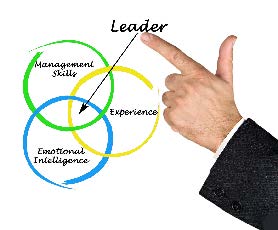 Whether you already possess ‘natural’ leadership abilities, you can become a better leader by understanding and developing your skills and abilities. That's a fact!
But it takes a commitment to personal and professional development, building soft and hard skills over time. Back this with a willingness to learn, work hard, listen to and accept feedback, and you will grow from both training and experience.
This contrasts with the Leader who believes they are a ‘born leader’. They believe they have an innate ability to lead, confusing that with over-confidence, arrogance, or ego. Self importance and ‘right’ do not create or make the ‘best’ Leaders. They dismisss learning and development as not for them!
It's a fact also, that all Leaders, if they are to have authority, need to have respect, respect gained through demonstrating effective leadership.
Key qualities to develop:
- Communication – to be effective, be open, honest and transparent. Active listening is an essential skill in the art of communication.
- Self-awareness – know your abilities, strengths & weaknesses, develop and build on these.
- Integrity & Ethics – uphold strong values, demonstrate them and take responsibility for your actions. You will build respect, trust and loyalty. Read more...
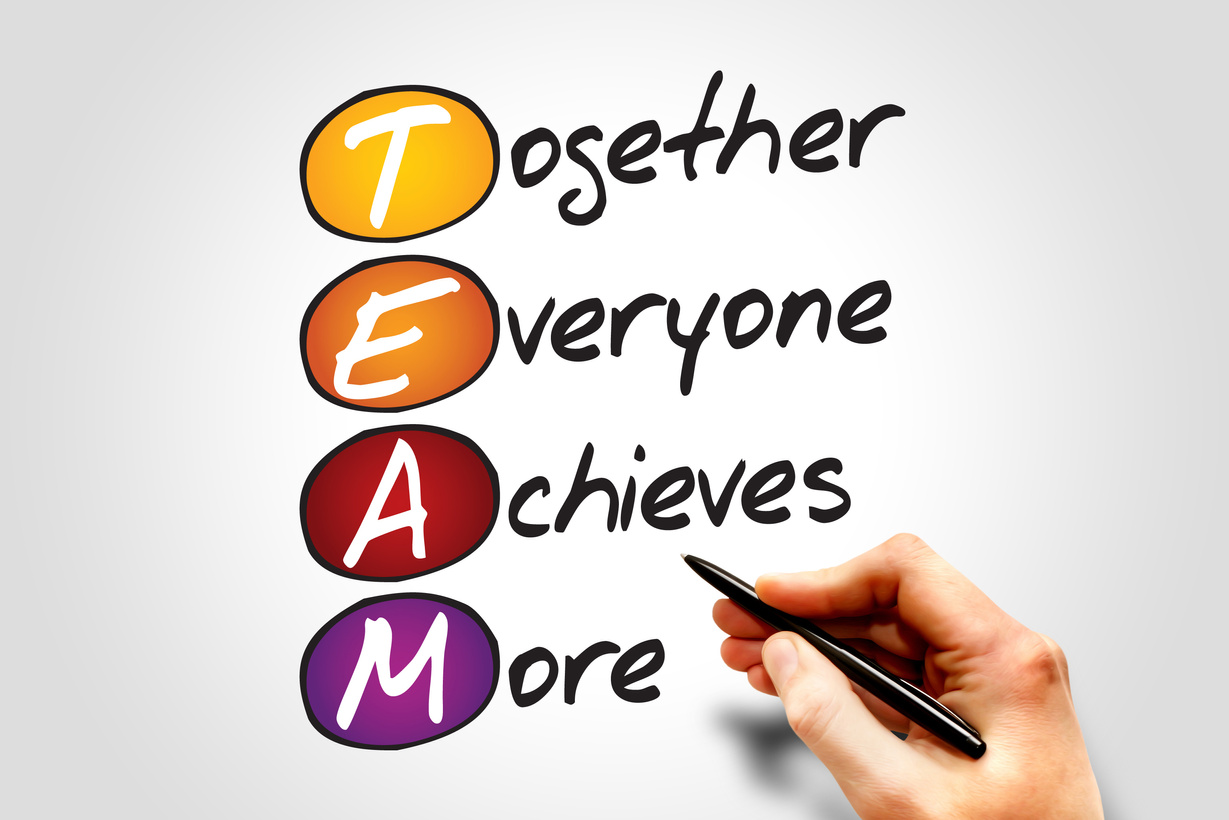
Leaders need people to lead!
Smart Leaders build a strong Team by nurturing potential and developing their people's abilities to bring out the best in all. Through mentoring, collaboration, effective engagement, and connecting the Team is united. Effective leaders empower their Team and are willing to step aside to let member's shine.
We know, a good leader has integrity, courage, respect, compassion and resilience, qualities they display, earning trust and loyalty. They communicate the vision and positively influence others. Learning agility is a strength.
We know also that managing things and leading people are similar but different complimentary disciplines that require the necessary mind and skillsets.
To quote ‘you manage things, you lead people’! Rear Admiral Grace Hopper
To lead, Leaders need followers, a Team to lead.
The skill is the ‘art of leading’!
Simply put, leading effectively, the Leader serves the Team, empowers their actions, enables their work and challenges them to succeed.
5 Key Skills Leaders have;
Read more... In a time of global uncertainty and volatility, leadership will need to be agile, strategic, and collaborative.
It’s not Business as usual!
Market places are shifting faster under external pressures; continuing wars are disrupting populations, unity, and supply chains. It’s a time of turmoil and with recent USA trade and tariff policies markets and relationships have been turned on their head.
Along with rapid technological advances, shaky political landscapes, and unsteady global markets, changes are challenging the world and local Business leaders and entrepreneurs.
Leaders will need to be equipped to respond to this new landscape and environment. Responses that require adjustments in their Organizations, how they do business, with the necessary resources, including upskilling workforces while accommodating human capital and spirit. It's not business as usual!
Trends
1. New and fast-changing technology: The use of social media as embraced by many global leaders now, along with adoption of Generative AI has created a new world order. It's often fast-paced policy making, and rapid-fire communication and communiques. Leaders need to be prepared, scanning the horizon for sudden change and ready with course correction.
2. Technology savvy: Leaders need to embrace change and to navigate rapid technological advances must adopt a mindset of continuous learning for both them and the workforce. Adaptability and proficiency are vital. In a competitive arena it is vital for Leaders to anticipate and face change and drive innovation. To be stagnant is to be left behind.
Leaders will also need to understand how to leverage technology, including AI. Technology that streamlines processes, and enhances decision-making, while still maintaining and building human connections and relationships.
Read more... When we talk about decisive Leaders and leadership do you see yourself?
Do you identify with the key characteristics and traits, and importantly, understand why decisive leadership matters in today’s competitive, fast-paced Business world?
Decisive leadership is the ability to make confident, purposeful, and timely decisions even in times of uncertainty. Effective, decisive Leaders start with knowledge, insights and experience and support that by involving experts when needed. They make ‘good’ decisions using a mixture of wisdom, analysis, and judgement.
Decisiveness isn’t about arrogance or impulsiveness, nor recklessness and making rash decisions.
Indecisive Leaders hesitate and risk undermining their Teams trust and jeopardising project progress and outcomes. They often handball decisions to others without due diligence or lose opportunities by indecision.
Decisive Leader Profile:
Confidence - leaders believe in their judgement, act and seize opportunities. This is gained by gathering the necessary information and supporting sound decision processes. They have the courage and conviction to balance analysis with bold decisions.
Composed – they are calm under pressure, rational and clear thinking. Acting with purpose and clarity. They balance decisiveness with reflection and critical thinking.
Timeliness – can make well-informed choices, more quickly at the right time.
Accountability – are committed, taking ownership and responsibility for their decisions. Will adapt and adjust if needed, learning from past experiences. They stand by their decisions and own mistakes if made.
Read more...
As a leader when it comes to selecting your Team ideally you have some choice.
And if you are a savvy, smart leader you will acknowledge your leadership style and how that will, can, influence your team selection.
For example, in the ideal model the Leader leads a strong team combining a group of individuals united in their effort to achieve common goals. They bring together their unique skills and abilities, sharing ideas, solutions and solving problems. As a Team, working and supporting each other to enhance a collective performance.
Building a ‘winning’ Team.
This begins with assessing your leadership style, strengths and weaknesses and using that to guide your recruitment. Form your team picking members that complement your abilities plus diverse others to fill any gaps. The skill is to draw on the best from all members, including yourself.
The four most common leadership styles are:
- Coaching (Conscious) - focuses on developing people
- Authoritarian, (Autocratic, Coercive, Commanding) about mobilizing people towards a vision.
- Democratic, (Participative or Facilitate), involves creating consensus.
- Laissez Faire (Delegative), a 'hands-off' approach.
1. Coaching style:
An example Satya Nadella, Microsoft who stepped into the role of CEO, when the business was experiencing a time of stagnation. He encouraged employees to embrace a growth mindset and made himself readily available to support them. His coach-like approach ultimately shifted the company culture bringing a successful and innovative period for the company.
This approach highlights:
Read more... Huge ego's, infighting, conflict, lack of team cohesion and dysfunction. There you have it Leadership, Leaders in disarray.
Political party chaos, has been playing out very publicly, on screens and in the media in recent weeks. Not a pretty sight and not good for politics or community morale! As citizens we expect our elected leaders to lead by example, a good example!
But this is a message and a problem that is not confined to the political arena. Leaders, Leadership Teams in disarray cross many boundaries.
So what are the answers, lessons for Business, Sporting organisations, and political parties that are experiencing similar symptoms? What are the steps to rebuilding teams and Leaders?
Firstly, why does this happen?
-
Ego and personality clashes
-
Lack of trust and respect
-
No shared vision and direction
-
Role ambiguity
-
Factional fighting
There you have it. What you end up with is dissolution, despair and disharmony!
You may have experienced this in a workplace, sporting group or any organisation as cohesion dissipates into disarray.
There is no direction, effective instruction and the Team is no longer a team! It's everyone for themselves!
Getting it back together!
6 Key Steps to Rebuild a Leadership Team in Disarray
-
Consider appointing an independent mediator to take the repair process forward.
-
Create an environment where all members feel safe to speak openly without retribution. Establishing psychological safety is crucial. Acknowledging past leadership failures can help with healing, but this step must be conducted constructively if there are lessons to be learned.
-
Rebuilding trust. Do this by holding individual sessions. This helps in better understanding members' perspectives and helps with building personal relationships. Nurture and foster strong working boundaries.
-
Redefine your Mission. The Team needs to reconnect with a shared vision and purpose. This is critical to re-establish the Team with a sense of ownership, meaning and belonging. Next, establish clear roles and responsibilities and ensure everyone understands their part in this new collective vision. Goal Setting & Planning follow this exercise.
-
Set Clear Roles with Accountability. Clearly defined roles and responsibilities are critical to avoid misunderstanding, potential conflict, and disconnection. Assign specific members to tasks and decisions with accountability and reporting requirements.
-
Establish healthy rules of engagement. Create an environment where differing views or ideas are accepted and debated. Where constructive, professional disagreement is harnessed to ensure the best decisions are reached. Transform a culture of ‘artificial harmony’ to one of unity with healthy engagement to get the best for all concerned.
Rebuilding a Leader.
Consider these Strategies:
-
Lead by example by having a presence, ‘walking’ around and engaging directly with the Team in their workplace. This fosters and builds trust, respect and loyalty.
-
Practice Service Leadership. This is being and acting as a support to the Team rather than just managing from above, top-down, as a director. Stand by your words and actions, hear their voices to bridge the gap.
-
Provide Team Development opportunities. Upskilling and opportunities for growth provide benefits for all: the employee, the team and the organization. Neglecting this hinders productivity and performance.
-
Focus on the Future. It's important to take the Team forward by focusing on future goals, solutions and opportunities. Acknowledge the past but avoid getting stuck there in ‘what -ifs or regurgitated negativity.
-
Restore Belief. Be authentic. Help rebuild morale and belief in self, team and the organisation by demonstrating strong values, work ethic and team culture. Take the time and effort to establish a strong foundation reinforcing shared vision and goals. Where everyone plays a part in the successful results.
The good news, Leadership Teams and Leaders can be rebuilt successfully and go forward to enjoy the benefits and rewards of united efforts.
Read more... Leading when you have the winning Team is commendable, memorable! Congratulations it all came together. Sit back, celebrate and enjoy the glory and success.
Flip the situation!
If you are the Leader of a group that has just experienced loss, setbacks and disappointment, whether it’s a football final, or a bid for a contract, when ‘teams’ lose, the impact can be devastating. Reactions vary and it’s easy to start the blame game or dwell on what-ifs.
This is where strong Leadership is vital to deal with the fallout of defeat. Supportive leadership to address the challenges, pick up the pieces, and rebuild. Importantly, it’s about taking the group with you, transforming the pain of loss into purpose.
4 Actions of Strong Leaders and Leadership:
1. Understand the emotional impact
-
Acknowledge disappointment, allow time for ‘grieving’
-
Give support, individually and the team
-
Demonstrate empathy
-
Address any fears or uncertainty
-
Provide access to mental health services
2. Rebuilding Morale
Read more... Yes or no, the question often arises, and the debate continues.
People of power, political influence, scholars, intellectuals and everyday people will most likely have thoughts or an opinion.
Consider the argument, it’s a complex one with key points supporting both sides.
Compare and contrast!
The born to lead position proposes inherent qualities, a natural propensity for leadership. ‘Traits’ are more likely to emerge in these leaders as given qualities, confidence, courage, charisma and the ability to inspire others. Personality and traits that predispose them to be leaders.
Such attributes and characteristics can be displayed at any age, from early childhood and beyond. Watch a group at pre-school, or on the playing field or later at a workplace and you will see these leaders.
Examples of gifted leaders include Nelson Mandela and Martin Luther King who developed into powerful leaders through experience. Both examples demonstrate leadership flourishes when nurtured.
On the other hand, made Leaders result from leadership skills gained through education, training and experience. Programs that support development and the opportunity to grow, improve and gain the necessary skills over time.
The role of opportunity and development in producing strong leadership can't be stressed enough. Birth right and inherited position don’t have to precursor effective leaders and leadership. Think of situations when you have seen those from diverse circumstances and sometimes disadvantaged backgrounds emerge as strong leaders. Our PM is one that grew up in humble beginnings but has risen to lead our country.
Environmental factors can and do play a part, hampering and influencing leadership development. COVID forced leaders to step up to deal with unprecedented events and challenges. Our Premier led by example, supporting a strong stance of protection for public welfare.
Read more... Your Accounting Partner
 Your Management Accounting Partner
 Your Expansion Engineer
 Your Special Projects Partner