Blog

End of the Financial Year! Why is it a great time?
It’s an opportunity to take stock of your Business and personal life. A time to reflect, look at what has and hasn’t been achieved, realign targets and reset your goals for the coming year.
Running a Business! What do you want to achieve? More importantly, how will you accomplish it?
Think smart, strategically, and take the following 5 simple Steps to reposition your Business for the year ahead.
-
Undertake a Business Health-Check- This includes review, assessment and evaluation of Business performance in key areas over the past 12 months. For example,
-
Products and Services. Did these meet targets and expectations, yours and customers? What’s performing and what’s not!
-
Financial goals. Is your cash-flow flowing, profit margins healthy, and expenses to budget?
-
Debts. Plan, monitor and carefully manage e.g. factor in tax obligations.
-
Get paid faster by streamlining receivables with automated invoicing and payment systems.
-
Cut unnecessary costs. Look at waste, trim and explore better deals with suppliers. Examine utilities costs, insurance, energy and stock inventory. Is there a capacity for savings?
-
How’s your bottom line? Examine your profit and loss statements to understand your Business's financial standing. Healthy bottom line, healthy Business!
-
Refresh Business Goals –
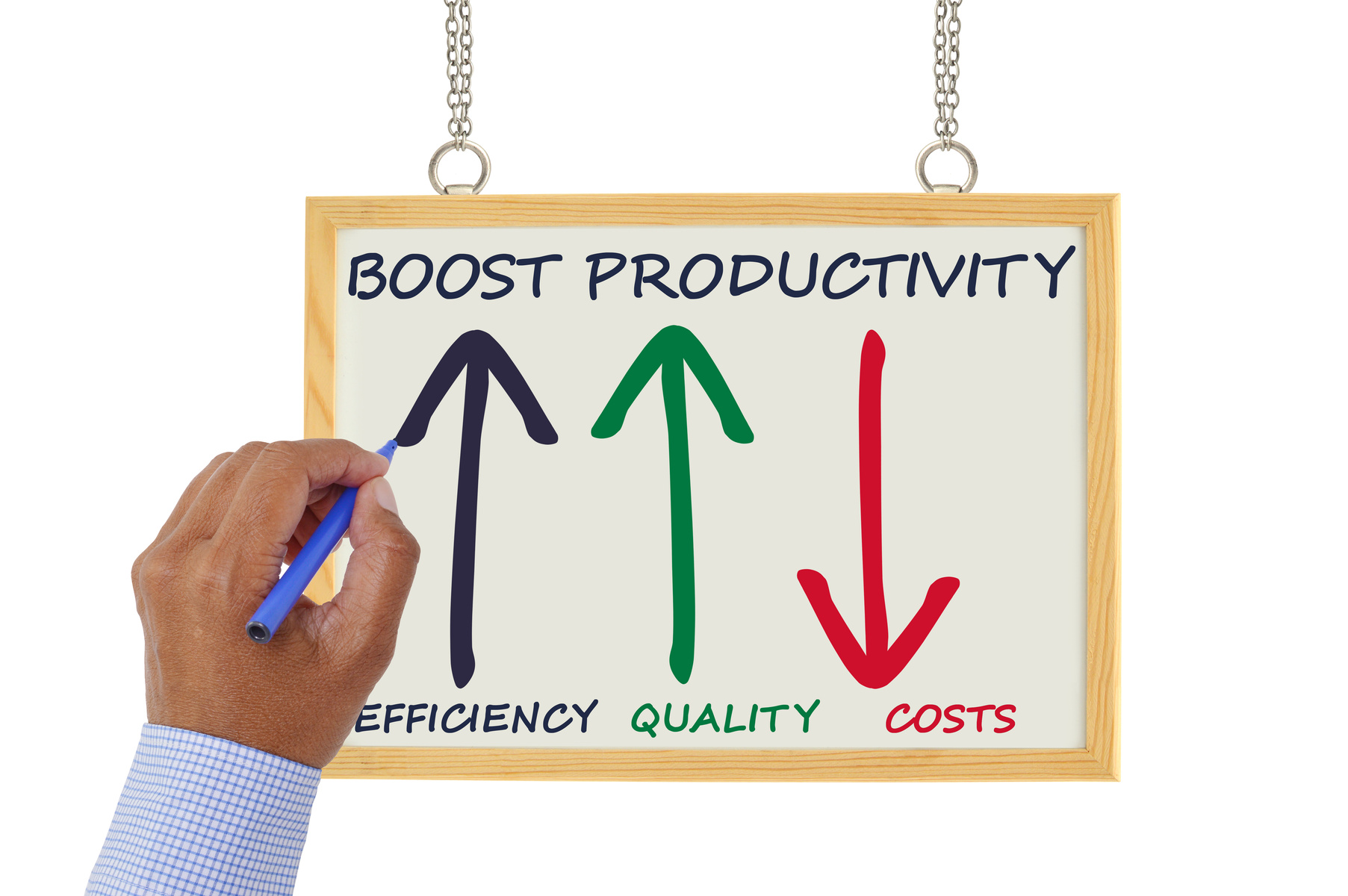 Productivity performance, or lack of, is the challenge facing us, our economy and quality of life.
Australia, according to the ABS reports while there was a 0.2% increase in GDP for the March quarter with a 1.3% increase on a year-to-year basis, indicates a slower pace of growth. Of concern, as highlighted by the Productivity Commission, is labour productivity. Labour productivity since the COVID pandemic has stagnated and in some sectors has seen a decline.
Lets investigate! What are the problems! What are the solutions?
To find answers, a roundtable meeting is planned to bring leaders together. In the words of Prime Minister Albanese, living standards will be central to discussions, ‘how to tackle stagnating productivity and propel Australia into a stronger future.’
At the grass-roots level, what does Productivity performance and challenges look like for SME’s Businesses? More importantly, what are the answers to overcome these challenges?
You may have experienced these.
Workplace Productivity challenges include:
-
Employee disengagement
-
Poor communication
-
Time management is lacking
-
Inadequate training
-
Overwork and burnout
-
Technology barriers
-
Inefficient processes & systems
-
Regulation barriers
What supports Productivity?
-
Improved Task & Time Management
-
Staff satisfaction
-
Workforce skilling, training & recognition
-
Technological advances
-
Government initiatives
7 Strategies & Solutions to Tackle Productivity Problems

Bad Debts:
These occur when clients or customers don’t pay their due accounts, going beyond the terms of credit. These are monies owed to you for services or goods already provided.
Tips:
-
Help avoid bad debts by reviewing the credit rating of your clients before offering extended terms.
-
Work with new clients to establish credit ratings and performance before entering credit arrangements.
-
Adopt a Debt Management Strategy to better monitor and manage accounts. This scrutiny can help prevent debts from becoming bad debts.
-
Take any necessary recovery as required.
-
Remember that you are running a business. Failure to manage or recover debts can hijack your cash flow and business success.

Kevin has a successful cleaning Business.
He started up in the mid 1970’s, beginning small then expanding to cover both domestic and industrial cleaning. Dirty windows or floors inside or out call Kevin's Cleaning Service.
He employs a team, and his two children are part of the Business. Kevin is a widower.
His children are keen to inherit and take over when Dad retires.
Scenario 1: Dad, for sentimental reasons and family loyalty, simply says both children will have equal ownership and authority. That's good enough, it's written in his will. Family is family, everything should be fine.
Scenario 2: Kevin loves his children and while they have jobs in the Company, he has reservations about their ability and suitability to manage and run the Business.

The Federal election has heralded some new policy directions that Business operators, SMEs, advisors and high-net-worth families need to note and understand.
Tax reform: this topic, despite much political discourse, seems to be a long-term debate rather than offering any immediate changes. Issues also, such as tackling state taxes, GST, or the complex system, are conversations that remain in the background. For now, it’s Business as usual. Businesses should take advantage of any already scheduled tax cuts and meet compliance with existing obligations.
Superannuation: The re-elected Government is moving ahead with its plan to increase taxes on large super balances. The reform is not yet law, but the proposed legislation will take effect from July 1, 2025. If passed earnings on individual super fund balances above $3mil will attract a higher tax rate. Effectively 30%, up from the standard 15% in accumulation phase. Watch this space!
For most Australians superannuation policies and fundamentals remain the same and continue to provide generous tax benefits.
Support for SMEs (small and medium sized Business) hasn’t been overlooked.
-
Energy bill rebates: From July 1, eligible small Businesses are set to receive a $150 rebate as part of a wider cost of living relief package.
-
Battery installation subsidy: a 30% subsidy on battery installation systems will be available to help Businesses improve sustainability and manage electricity bills.
-
Excise freeze: From August 2025, draft beer excise will be frozen supporting small brewers and hospitality Businesses.
 Your Accounting Partner
 Your Management Accounting Partner
 Your Expansion Engineer
 Your Special Projects Partner